
LED Retrofit Fact Check – Transitioning to LED Lighting Explained Clearly
Published January 15th, 2026
Table of contents - LED-Retrofit
- What does LED retrofit mean? Definition and differentiation
- Why must operators act now?
- LED retrofit – common misconceptions examined
- Advantages of converting to LED lighting with LED retrofit
- LED retrofit vs. complete luminaire replacement (EUR comparison)
- Practical examples – savings achieved with LED retrofit
|
What Does LED Retrofit Mean? Definition and Differentiation
LED Retrofit System vs. Integrated LED Luminaires – Direct Comparison (see also the graphic at the end of the page).
|
LED-Retrofit System ✅ Standardised luminaires remain in place ✅ Existing sockets (G13/T8, G5/T5) reused ✅ Replaceable LED light source operated ✅ Repairable system ✅ Typische Amortisationszeit 24/7 = 1 Jahr ✅ Typical amortisation (24/7 operation): |
|
Integrated LED Luminaire ❌ Complete luminaire replacement required ❌ Proprietary LED systems ❌ Often non-repairable complete system ❌ Integrated electronics permanently installed ❌ Amortisation 24/7 often several years ❌ Example light band system with 2 LED tubes |
Why Must Operators Act Now?
Ban on fluorescent tubes: Since August 2023, mercury-containing fluorescent tubes may no longer be placed on the market due to amendments to the current EU RoHS Directive and the Ecodesign Directive.EU RoHS Directive and the Ecodesign Directive.
What Does the Fluorescent Lamp Ban Mean for Existing Installations?
Existing systems may continue to operate (grandfathering applies). However:
- Only RoHS-compliant replacement products may be used for relamping.
- CE conformity is maintained if the conversion is carried out professionally using CE- and RoHS-compliant LED light sources.
Additional pressure to act arises from:
- Persistently high energy prices
- Increasing ESG and reporting obligations
- Requirements for environmentally and health-conscious lighting solutions
Decisive LED Retrofit Advantages for Operators
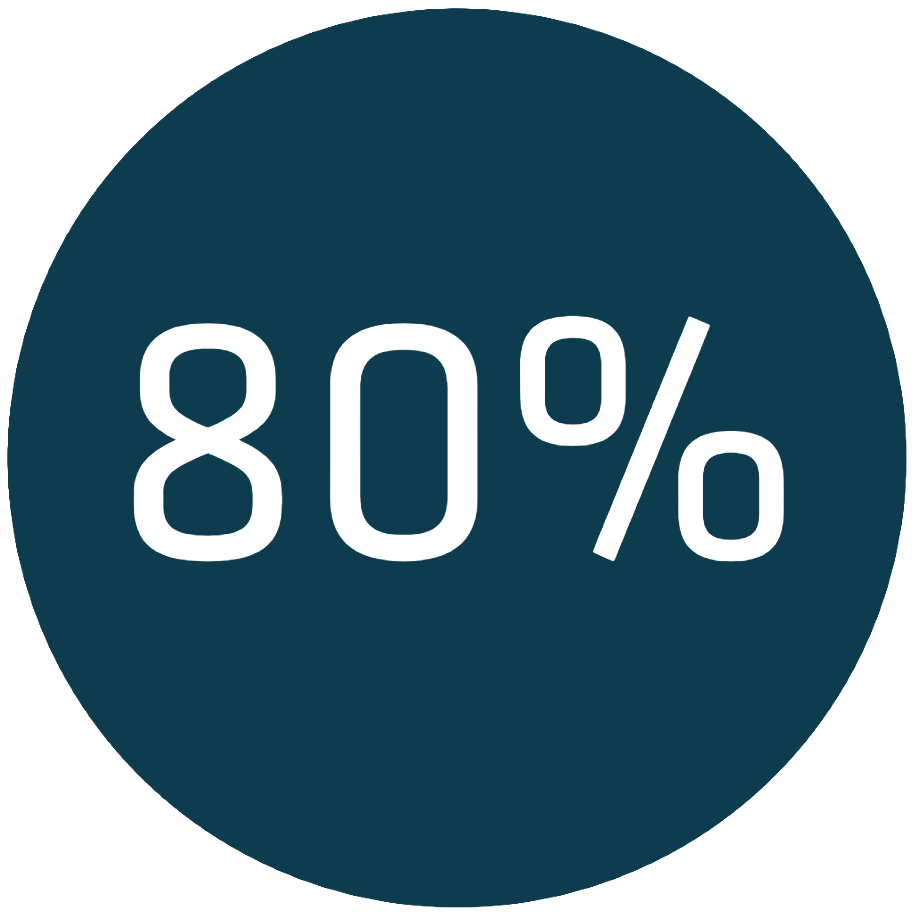
Energy savings
of up to 80%

Fast & compliant
conversion to LED

Reduction of
operating costs

Retention of
functional luminaires
LED Retrofit – Myths Under Review: A Fact Check
Myth 1 – LED Retrofit Is Technically Unsafe
✅ Fact:LED retrofit tubes are subject to IEC/EN 62776IEC/EN 62776. This standard regulates:
- Electrical safety.
- Interchangeability of T5/T8 lamps to LED tubes.
- Permissible operating conditions.
- Temperature ranges (–20 °C to +60 °C).
- Testing procedures under realistic operating conditions.
👉 Since 1 December 2015, compliance with this standard has been mandatory for placing such products on the EU market.
✅ Conclusion: LED retrofit in accordance with IEC/EN 62776 is technically safe and CE-compliant – provided compliant products are used.
Myth 2 – New Luminaires Are Required
✅ Fact: LED retrofit was developed precisely to avoid complete luminaire replacement.
Existing standardised luminaires may remain in use if:
- Tested and compliant LED retrofit tubes are installed.
- Lamp holders are inspected and, where necessary, upgraded.
- Control gear (e.g. electronic ballasts) is removed for 230 V direct operation where applicable.
✅ Conclusion: A properly executed 1:1 replacement maintains CE conformity of the installation.
Myth 3 – New LED Luminaires Are Always More Economical
✅ Fact: In existing installations, LED retrofit is often more economical than full refurbishment. Reasons include:
- Significantly lower investment costs due to simple 1:1 lamp replacement
- Shorter conversion times
- No procurement and installation of new luminaire systems
- No disposal of complete luminaires – now or in the future
✅ Conclusion: Energy savings are comparable. Resource use and overall costs are substantially lower with LED retrofit.
Advantages of Converting to LED Lighting with LED Retrofit
Reduced Capital
Expenditure
Modern LED retrofit systems are straightforward to implement:
- Lower investment, as no new luminaires are required
- Lamp replacement within the existing infrastructure
- Standardised system for T5/T8 LED tubes (G5/G13)
- CE conformity maintained with professional conversion
✅Conclusion: Economic performance depends largely on the quality of the LED light source. Inferior products lead to higher failure rates and shorter replacement cycles.
GLT LED TUBE product series – find out moreGLT LED TUBE product series – find out more
Reduced Operating & Maintenance Costs
Operating costs decrease due to:
- Long service life (e.g. up to 130,000 h L70 for high-quality products such as GLT LED TUBE)
- Low failure rates (<1% at 50,000 h for quality products)
- Elimination of loss-prone ballasts in 230 V direct operation
- Replaceability of individual components within the existing system
✅ Conclusion: LED retrofit creates a replaceable and repairable lighting system. This reduces long-term maintenance effort and avoids complete disposal of luminaires in the event of partial defects.
Learn more – Maintenance without system dependencyLearn more – Maintenance without system dependency
Legal Certainty with
LED Retrofit
Legal certainty is ensured through:
- Use of compliant LED retrofit tubes according to IEC EN 62776
- Professional conversion of existing luminaires (electronic or conventional ballasts)
- Documentation of modifications and updating of CE conformity where required
For operators, it is essential to note:
Responsibility lies with the party placing the converted installation on the market. Professional implementation is therefore critical.
✅ Conclusion: LED retrofit is legally permissible when technical requirements are met. The installation remains compliant and operationally safe.
Standards and regulations at a glanceStandards and regulations at a glance
Sustainability and
ESG Compliance
LED retrofit improves environmental performance by:
- Reducing operational energy consumption (up to 80%, project-dependent)
- Avoiding disposal of functional luminaire housings
- Reducing material consumption and new production
Key consideration for operators:
Relevant for ESG assessments of companies based on environmental, social and governance criteria (Environmental, Social, Governance).
✅ Conclusion: Companies improve environmental metrics through lower energy consumption and reduced material flows. EPD-verified LED light sourcesEPD-verified LED light sources enable transparent lifecycle assessment and support ESG reporting.
Comparison: LED Retrofit vs. Complete Luminaire (EUR) – Example GLT LED TUBE 150 cm

Practical examples – Savings achieved with LED retrofit


Do you have questions about LED retrofit and the benefits of circular, sustainable lighting?
Discover the GLT LED TUBE product series – our experts will be pleased to advise you.